
 (678) 310-7976
JMR Home Reports:Winter Conditions Continue Across Georgia — When Will Spring Officially Begin?
Official meteorological reports indicate that winter conditions remain active across much of Georgia, with fluctuating temperatures and the potential for late-season cold fronts affecting both North and Central Georgia.
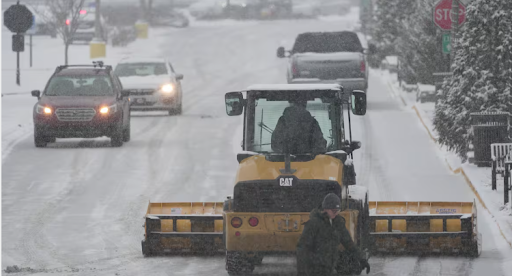
While seasonal transitions are underway, weather variability continues to pose risks for homeowners across the state. In the United States, spring is defined in two ways. Meteorological spring begins on March 1 and runs through May 31 , while astronomical spring begins around March 20, 2026, with the Spring Equinox. However, these calendar dates do not guarantee an immediate shift to consistently mild temperatures.
Historically, Georgia often experiences lingering cold spells and occasional late-season freezes well into late March. This is especially true in northern and metropolitan regions, where temperature swings between warm afternoons and freezing overnight lows can stress residential structures.
Across Georgia’s major cities, weather patterns vary by region. Atlanta , Marietta, Alpharetta, and Athens may still see late cold fronts through the end of March. In North Georgia, below-freezing temperatures remain more common during this seasonal transition. Further south, cities like Macon, Columbus, and Savannah typically warm earlier in the season. However, temporary cold snaps can still occur, creating freeze-thaw cycles that affect roofing, plumbing, and exterior materials. These fluctuations often reveal vulnerabilities only after temperatures begin to rise.
Extended cold exposure combined with moisture accumulation can quietly impact a home’s structural integrity. Freeze-thaw cycles may weaken roofing systems, compromise siding, and strain plumbing components. Many homeowners do not notice issues until visible signs begin to appear.
Common post-winter concerns include minor roof leaks after ice melt, stressed or partially frozen pipes, damaged gutters, and air leaks from worn window or door seals. Interior moisture spots may also surface once temperatures stabilize and accumulated ice begins to thaw. The period between late February and late March presents a strategic opportunity for proactive homeowners. As winter gradually transitions into spring, it becomes easier to identify areas that require maintenance or repair before seasonal rainfall intensifies potential damage.
This window is ideal for conducting inspections, addressing minor structural concerns, and reactivating renovation projects postponed during colder months. Acting early helps prevent small issues from escalating into larger, more expensive repairs later in the year. Additionally, scheduling projects now offers practical advantages. Contractor availability is typically stronger before peak spring demand increases. Planning improvements early ensures better timelines, smoother execution, and long-term protection for your property.
According to U.S. seasonal classifications, there are two key dates marking the transition into spring:
- Meteorological Spring: Begins on March 1 and runs through May 31.
- Astronomical Spring: Begins with the Spring Equinox, around March 20, 2026.
However, the arrival of spring on the calendar does not immediately eliminate winter-related risks. Historically, Georgia often experiences lingering cold spells and occasional late-season freezes well into late March — particularly in northern and metro areas.
What to Expect in Georgia’s Major Cities
Weather patterns across the state vary by region:
- Atlanta, Marietta, Alpharetta, and Athens: Late cold fronts and overnight freezes can persist through late March.
- North Georgia: Greater likelihood of below-freezing temperatures during the seasonal transition.
- Macon, Columbus, and Savannah: Milder conditions arrive sooner, but temporary cold snaps remain possible.
This transitional period is critical for homeowners, as winter-related structural stress often becomes visible only when temperatures begin to fluctuate.
The Hidden Impact of Winter on Homes
Extended cold temperatures, moisture buildup, and freeze-thaw cycles can create structural vulnerabilities that are not immediately apparent.
Common post-winter issues include:
- Frozen or stressed plumbing systems
- Minor roof leaks revealed after ice melt
- Damaged siding or exterior materials
- Compromised gutters and drainage systems
- Air leaks from worn window and door seals
- Interior moisture spots emerging after thawing
Many of these issues surface just as spring rainfall begins, which can worsen small problems if left unaddressed.
The Strategic Window: Late Winter to Early Spring
The period between late February and late March presents a valuable opportunity for homeowners across Georgia.
This is the time to:
- Identify and repair winter-related damage
- Conduct preventative inspections
- Restart renovation projects that were postponed due to cold weather
- Improve insulation and energy efficiency before peak cooling season
- Prepare exterior structures ahead of spring storms
Waiting too long may result in higher repair costs and increased demand for contractors as the busy spring season begins.
A Timely Opportunity for Homeowners
While meteorological spring begins March 1 and astronomical spring follows around March 20, winter’s structural effects can linger well beyond those dates. For homeowners in Atlanta, Marietta, Alpharetta, Athens, and surrounding communities, this seasonal transition represents more than just a change in temperature — it is a critical moment to protect and enhance property value.
At JMR Home, we encourage homeowners to schedule a professional post-winter assessment and reactivate pending renovation projects before spring demand accelerates. Addressing minor concerns now can prevent costly repairs later and ensures your home is ready for Georgia’s spring weather patterns.
Winter may be approaching its calendar end, but its impact on your home deserves attention today.




Monday-Friday
8:00am - 5:00pm
